How to Build an Effective Acne Skincare Routine for Acne-Prone Skin
Shahmeer

If you have ever tried product after product for breakouts, only to end up with skin that feels dry, irritated, or even more unpredictable, you are not alone.
If you have ever tried product after product for breakouts, only to end up with skin that feels dry, irritated, or even more unpredictable, you are not alone. Finding the right Acne Skincare routine can be surprisingly difficult.
The problem is often not that you are doing too little. It may be that you are doing too much, changing products too frequently, or using formulas that do not suit your skin.
A better approach is to simplify your routine, understand what your skin needs, and choose products that support consistency. With the right Skincare for Acne Prone Skin, you can build a routine that is easier to maintain without constantly experimenting with new products.
Why Acne Skincare Can Feel So Complicated
Acne does not look the same for everyone. Some people experience occasional blemishes, while others deal with persistent breakouts, clogged pores, redness, or post-acne marks.
Then there is the sheer number of products available. Cleansers, exfoliators, serums, moisturizers, spot treatments, masks, patches the choices can quickly become overwhelming.
One common mistake is assuming that stronger automatically means better.
Using several aggressive products at once may leave the skin feeling tight or irritated. When that happens, it becomes difficult to tell which product is actually helping and which one may be causing problems.
Good Acne Skincare is not necessarily about having the longest routine. It is about having the right routine and sticking with it.
Understand What Your Skin Needs
Before buying another product, take a closer look at your skin.
Is it oily throughout the day? Does it feel dry after cleansing? Are breakouts concentrated around certain areas? Do you also experience redness or sensitivity?
These details matter when choosing Skincare for acne-prone skin.
Acne-prone skin still needs hydration and barrier support. Removing every trace of oil or repeatedly exfoliating may not be the answer. Instead, think about creating a balanced routine that cleanses effectively while avoiding unnecessary irritation.
If your acne is persistent, painful, severe, or leaving significant scarring, it is also worth speaking with a dermatologist. Skincare can support your routine, but professional advice can be important when over-the-counter approaches are not enough.
Keep Your Routine Simple
A practical routine does not need ten steps.
Start with a gentle cleanser to remove dirt, excess oil, and makeup. Follow with products appropriate for your particular skin concerns, then use a moisturizer that helps maintain comfortable, hydrated skin.
During the daytime, sunscreen is also important, particularly when you are concerned about marks left after breakouts.
At night, you can focus on cleansing and targeted treatments.
The biggest advantage of a simple routine is consistency. If your products are easy to use, you are much more likely to use them regularly rather than abandoning them after a few days.
Be Careful With Exfoliation
Exfoliation can be useful, but more is not necessarily better.
When dealing with acne-prone skin, excessive scrubbing can contribute to irritation. If you use an exfoliating product, pay attention to how your skin responds and avoid combining too many potentially irritating treatments at the same time.
For example, Norse Organics offers a scrub specifically formulated for acne-prone skin, using ingredients such as rice powder, apricot kernel, and rose flour. The company recommends incorporating its scrub into a broader routine rather than treating exfoliation as the entire solution.
The principle is simple: exfoliation should complement your routine, not dominate it.
Look Beyond the Occasional Breakout
Another reason people struggle with Acne Skincare is that they focus exclusively on the visible blemish.
But your routine should also consider the surrounding skin.
If your skin becomes dry, uncomfortable, or visibly irritated after treating breakouts, you may need to reconsider how frequently you are using certain products. Hydration and barrier support can be important parts of maintaining comfortable skin while addressing blemishes.
This is where a more comprehensive approach can make sense.
Instead of collecting several unrelated products, you can look for a coordinated system where different steps are designed to work together.
When a Complete Skincare System Makes Sense
For someone who has tried multiple individual products without finding a routine that feels manageable, a complete system can simplify the process.
Norse Organics, for example, offers a Complete System for Acne-Prone Skin that combines a day balm, night balm, scrub, and blemish-scars smoothing balm. The products are designed around different stages of an acne-focused routine, rather than requiring the user to assemble every step separately.
That does not mean a complete system is necessary for everyone. Your ideal routine depends on your skin, preferences, and existing products.
The real benefit is convenience and consistency. When the steps are clearly defined, it can be easier to know what to use and when.
What to Look For in Skincare for Acne Prone Skin
When comparing products, look beyond attractive packaging and dramatic claims.
Consider:
- Ingredients: Understand what each product is designed to do.
- Skin compatibility: Consider whether your skin is oily, dry, combination, or sensitive.
- Routine simplicity: More products do not automatically mean better results.
- Consistency: Choose products you can realistically use regularly.
- Exfoliation: Avoid overdoing it if your skin becomes irritated.
- Professional advice: Seek dermatological guidance for persistent or severe acne.
Norse Organics emphasizes botanical ingredients in its acne-focused range, including rosehip, marigold, sea buckthorn, squalane, and beeswax. Its current acne collection also includes options for acne-prone skin, redness, marks and scars, and body breakouts.
The Benefits of Choosing a More Thoughtful Routine
A well-planned routine can make skincare feel much less stressful.
Instead of constantly asking whether you should try another trending product, you have a clear set of steps to follow. You can also identify which products work well for you and which ones do not.
A coordinated approach may also make it easier to address multiple concerns at once, such as breakouts, dryness, uneven texture, and the appearance of post-acne marks.
Most importantly, it encourages patience. Skin rarely changes overnight, and constantly switching products makes it harder to understand what is actually working.
Final Thoughts
Finding effective Acne Skincare does not have to mean building an overwhelming routine.
Start by understanding your skin, simplify your products, avoid unnecessary irritation, and give your routine enough time to become consistent. Good Skincare for Acne Prone Skin should fit into your lifestyle rather than making every morning and evening feel like a complicated project.
If you prefer having multiple steps organized into one approach, a dedicated system such as the acne-focused range from Norse Organics may be worth exploring.
The goal is not to buy more skincare. It is to make smarter choices, stay consistent, and build a routine that your skin can comfortably live with.
Comment:
Your email address will not be published. Required fields are marked *
Search
Related Posts
Oct 16, 2026
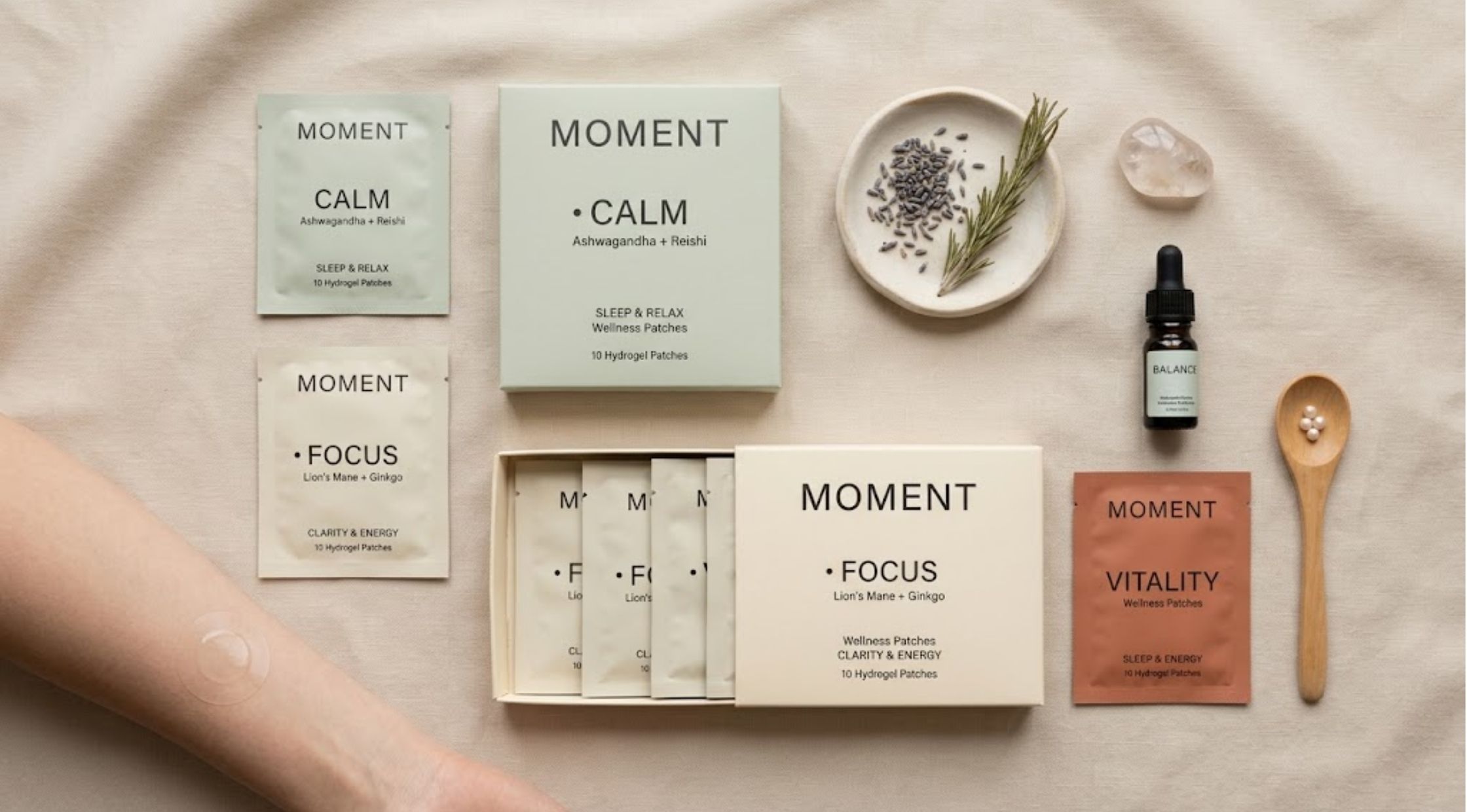
How to Choose Kind Patches for Your Wellness Routine
Understanding Kind Patches for Weight Loss and Overall Wellness.

Oct 16, 2026
How to Choose Ancestral Supplements for Your Wellness Routine
Selecting the appropriate Ancestral supplements for your wellness regimen can be a tricky process.

Oct 16, 2026
How to Choose the Right IM8 Health Supplement for Your Routine
When buying a health supplement, it is essential to select the right one for your needs.