How to Choose the Right Vintage Camera Lens for a Film-Inspired Look
Alex
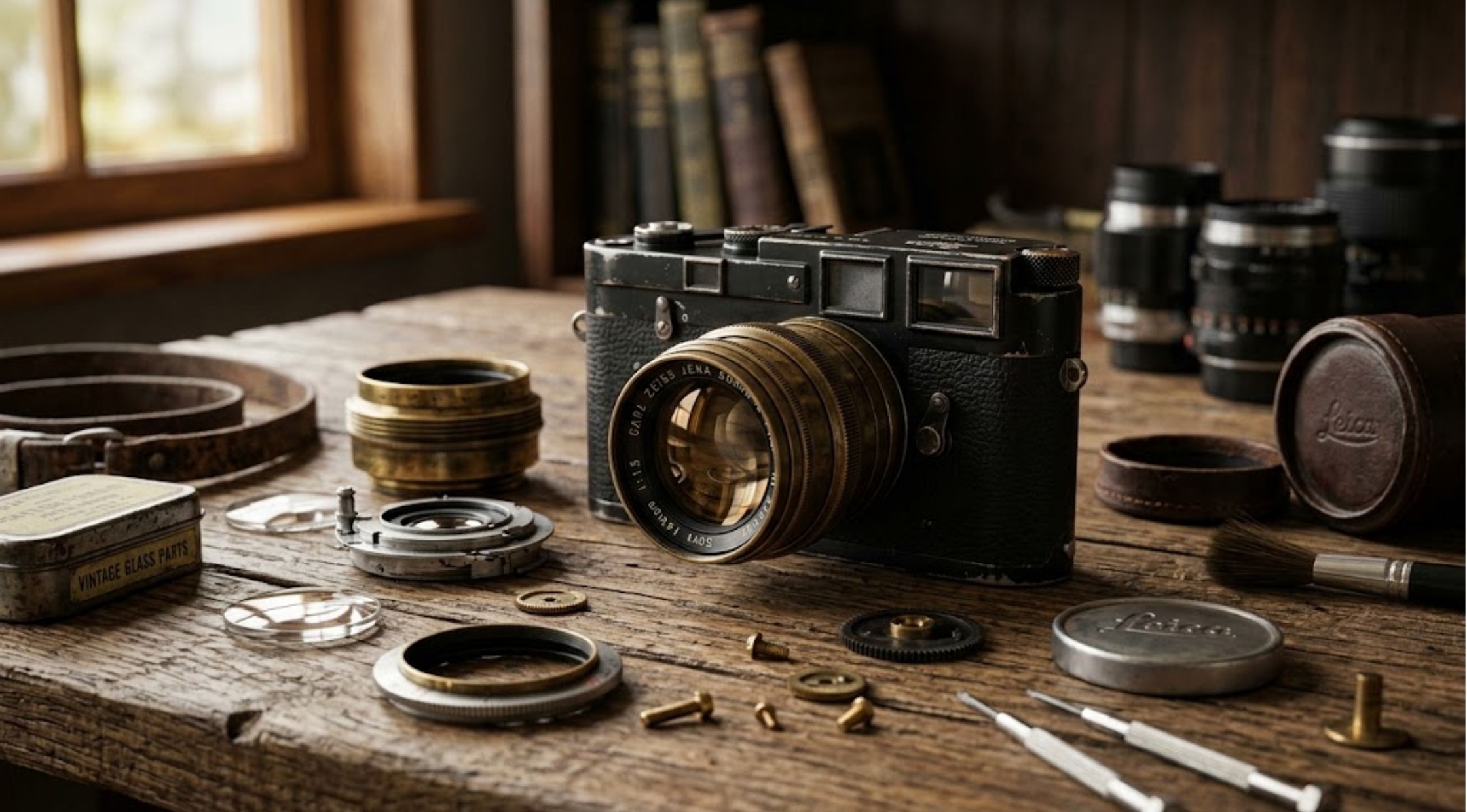
Modern cameras are incredibly capable.
Have you ever taken a perfectly sharp digital photo and still felt that something was missing?
Modern cameras are incredibly capable. They produce crisp details, accurate colours, and technically clean images. Yet sometimes that perfection can make photographs feel a little too clinical. If you want softer rendering, distinctive flare, subtle imperfections, or the character associated with older photography, a Vintage Camera Lens can be an interesting way to change the look without replacing your entire camera system.
But choosing the right lens is not as simple as finding the oldest glass you can afford. Different lenses create very different results, and compatibility, focal length, optical character, and condition all matter.
Why Finding the Right Vintage Lens Can Be Difficult
The appeal of a Vintage Lens is also what makes shopping for one confusing.
Older lenses were designed during different eras, with different optical priorities and manufacturing techniques. Some are known for softness or glow, while others can still produce surprisingly sharp images with distinctive colour rendering.
Then there is the practical side.
Will the lens mount work with your camera? Will you need an adapter? Does it provide autofocus, or are you comfortable focusing manually? Is the lens suitable for portraits, street photography, video, or landscapes?
Without answering these questions first, it is easy to buy something that looks interesting but spends most of its time sitting in a drawer.
Start With the Look You Actually Want
Before shopping for a Vintage Camera Lens, define the visual effect you are trying to create.
Do you want:
- Softer portrait rendering?
- Stronger lens flare?
- Lower contrast?
- Vintage colour character?
- A dreamy or nostalgic appearance?
- More noticeable optical imperfections?
- A subtle film-inspired look rather than obvious distortion?
There is no single vintage aesthetic.
Some photographers want a lens that noticeably changes the image, while others simply want a little more character than their modern lenses provide.
Knowing your target look makes the search much easier.
Choose the Right Focal Length
Focal length has a major influence on how your images feel.
A wider lens can be useful for environmental portraits, travel, interiors, and street photography. A standard focal length offers a natural perspective for everyday shooting, while a longer lens can be particularly interesting for portraits and subject isolation.
Think about the type of photography you already enjoy rather than choosing based solely on what looks exciting online.
If you primarily photograph people, for example, a portrait-friendly focal length may provide more value than an ultra-wide option that you rarely use.
Don't Forget Camera Compatibility
This is one of the most important considerations when buying a Vintage Lens.
Check your camera's mount before purchasing. Older lenses may require an adapter to work with modern mirrorless cameras, and not every combination will provide the same functionality.
Also consider the difference between native and adapted lenses.
If you are happy with manual focus and manual aperture control, adapting older optics can open up many creative possibilities. If you need fast autofocus for sports, events, or unpredictable subjects, however, an older manual lens may not be the most practical choice.
Understanding your camera system first can prevent an expensive mistake.
Learn to Appreciate Imperfections
One of the biggest reasons photographers seek a Vintage Camera Lens is because it may produce imperfections that modern lenses are specifically designed to minimize.
Flare, softer corners, lower contrast, unusual bokeh, and colour shifts can all become part of the visual character.
The important thing is to think of these characteristics as creative tools rather than defects.
For example, a little flare might add atmosphere to a backlit portrait. Softer rendering can make a close-up portrait feel less clinically sharp. A distinctive background blur can help separate your subject from an ordinary setting.
The trick is finding imperfections that complement your photography rather than simply adding randomness.
Consider a Modern Vintage-Inspired Option
You do not necessarily need to hunt through second-hand markets to get a nostalgic look.
Some modern photography products are specifically designed to recreate characteristics associated with older or disposable film photography while remaining compatible with contemporary cameras.
Retropia, for example, focuses on creating film-inspired visual character through camera accessories and creative photography tools. Its product range includes options designed around effects such as glow, softness, and nostalgic rendering.
This approach can be appealing if you want the aesthetic without dealing with the uncertainty that sometimes comes with buying genuinely old equipment.
When Investing in a Better Vintage Lens Makes Sense
If photography is an important part of your creative work, investing in the right optical tool can make more sense than constantly trying to recreate the same effect in editing software.
A quality Vintage Lens can become part of your creative workflow rather than just another piece of equipment.
The value comes from how often you use it and whether its optical character genuinely improves the way you photograph.
Retropia's approach is particularly relevant for photographers who want to bring nostalgic visual qualities into modern digital photography rather than completely switching away from contemporary camera systems.
Think About Your Entire Workflow
A lens is only one part of the final image.
Lighting, exposure, composition, subject, colour grading, and editing all contribute to the finished result.
If you are trying to achieve a film-inspired appearance, experiment with your shooting conditions as well. Backlighting can emphasize flare, softer light can complement low-contrast optics, and intentional colour grading can enhance the mood.
This is why buying the most extreme-looking Vintage Camera Lens is not necessarily the answer. The right tool should work with your creative process.
A Simple Buying Checklist
Before purchasing, ask yourself:
- Is the lens compatible with my camera?
- Am I comfortable with manual focus?
- What focal length do I actually need?
- What visual characteristics am I looking for?
- Do I want subtle character or an obvious vintage effect?
- Will I use the lens frequently?
- Does the product offer the level of consistency I need?
- Would a modern vintage-inspired accessory be more practical?
These questions can help you avoid buying something simply because it looks interesting.
Final Thoughts
A Vintage Camera Lens can give modern digital photography a distinctive personality that is difficult to achieve through technical perfection alone. The key is understanding what you want from the lens before you buy it.
Focus on compatibility, focal length, handling, optical character, and the type of images you want to create. If traditional vintage glass feels too unpredictable, modern products designed around film-inspired effects can provide another route.
For photographers interested in bringing nostalgic character into contemporary photography, Retropia offers a range of tools designed around that creative idea.
Ultimately, the best Vintage Lens is not necessarily the oldest or most unusual one. It is the one that gives you the visual character you want while fitting naturally into the way you already shoot.
Comment:
Your email address will not be published. Required fields are marked *
Search
Related Posts
Oct 16, 2026
How to Choose the Right Camp Snap Camera and Filters
What filters and camera to select for kids' camp.

Oct 12, 2026
How to Keep Medical Devices Secure with Adhesive Patches
Learn how medical device adhesive patches can help secure compatible glucose monitors and insulin pumps. Explore application tips, skin comfort, water resistance, and patch selection for everyday use.

Oct 9, 2026
How Screen-Free Digital Cameras Make Life Better
Discover how Screen-Free Digital Cameras make photography more enjoyable by reducing screen distractions and encouraging authentic moments. Explore Camp Snap, discover Retro Digital Cameras, and choose practical Digital Camera Accessories to capture meaningful memories with greater simplicity.