How a Leading Smartphone Maker Is Pushing the Boundaries of Under-Display Camera Technology
Sophia Clarke
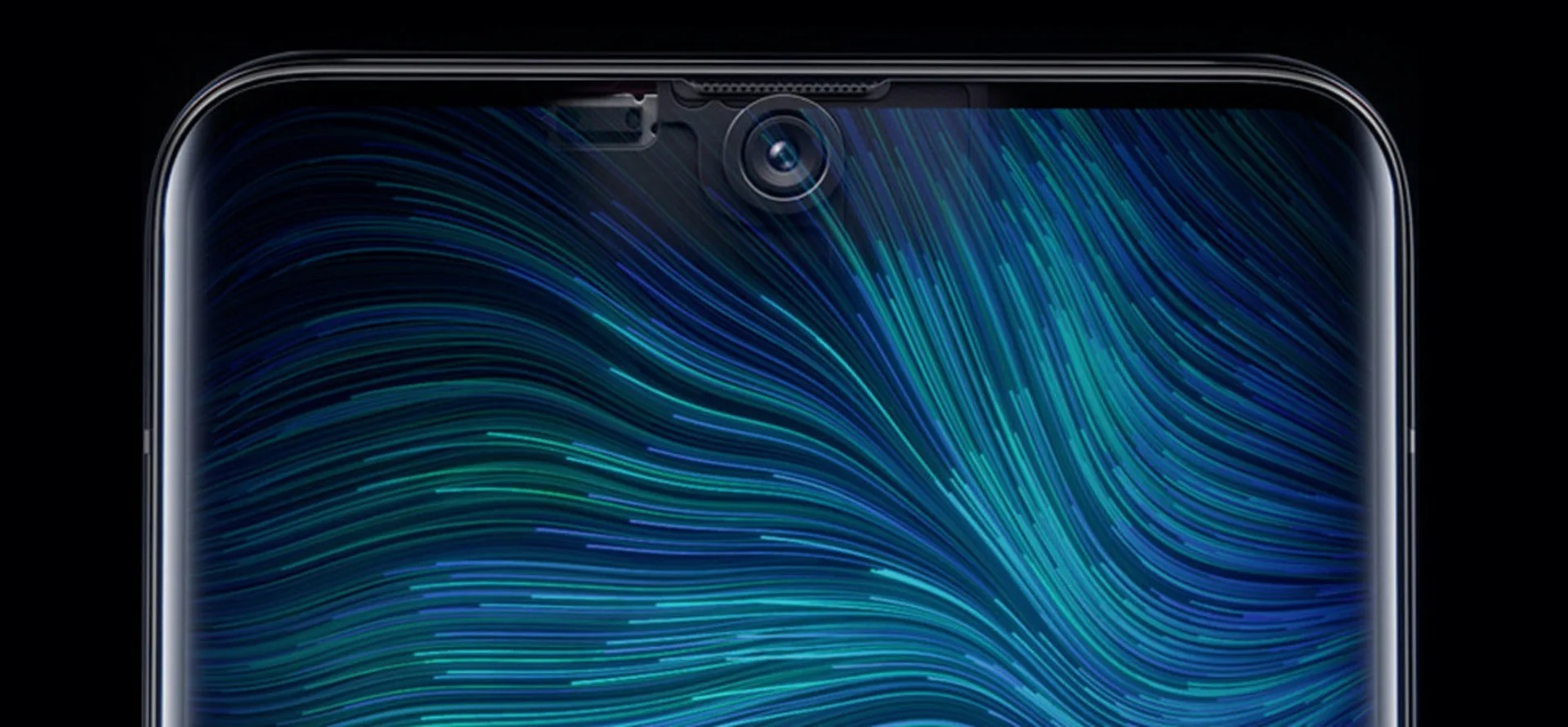
Smartphones have evolved at a breathtaking pace. From modest screens with big bezels to edge-to-edge displays and even foldables, one of the most intriguing frontiers in smartphone design has been making the front-facing camera truly disappear — without compromising on image quality.
Smartphones have evolved at a breathtaking pace. From modest screens with big bezels to edge-to-edge displays and even foldables, one of the most intriguing frontiers in smartphone design has been making the front-facing camera truly disappear — without compromising on image quality. Nubia, long known for its innovation, is among the leaders driving this shift through its advanced Under-Display Camera (UDC) technology. Let’s dive into how Nubia is pushing this technology forward, what trade-offs remain, and where things might go next.
What Is Nubia’s UDC Technology?
At its core, UDC (Under-Display Camera) is a technique that hides the front-facing camera beneath the phone’s display. Rather than using a visible notch, punch-hole, or pop-up mechanism, the camera sits under a semi-transparent area of the screen. This enables a cleaner, uninterrupted display — a full-screen experience.
Nubia has refined this technology through multiple generations. Their Z60 Ultra uses fifth-generation flexible UDC technology. According to Nubia, this generation supports:
-
400 PPI (pixels per inch) in the under-display camera area
-
A full-screen blue-diamond pixel arrangement to improve light transmission and display consistency
-
Independent pixel drivers to keep the image smooth and avoid artifacts as you scroll
-
A dedicated UDC Ultra screen display chipset that boosts color transitions and fidelity
-
A large single-pixel photosensitive area of 2.8 µm per pixel on the front sensor
-
A transparent algorithm for the front-facing camera that balances brightness and clarity
-
BOE Q9+ luminescent material beneath the display for more stable color performance
In practical terms, Nubia isn’t just hiding the camera — it’s optimizing the display around it, making the UDC area as visually indistinguishable as possible from the rest of the screen.
Pros and Cons: Quality, Use-Cases & Creative Applications
Pros
True Full-Screen Experience
-
No notch, punch-hole, or pop-up — just a seamless display.
-
Ideal for media consumption, gaming, and productivity.
Better Selfies Without Sacrificing Design
-
The 2.8 µm pixels and transparent algorithms help the camera capture workable selfies despite sitting under the screen.
Advanced Display Engineering
-
Blue-diamond pixel layout and independent pixel drivers maintain high display quality even above the camera area.
Photographic Creativity
-
The NeoVision system allows advanced photography features without needing a visible selfie module.
Performance and Display
-
The Z60 Ultra’s 6.8" AMOLED, 120 Hz refresh rate, and high brightness ensure no display compromises.
Cons
Image Quality Limitations
-
Shooting through a display reduces light, sharpness, and clarity.
-
UDC still trails traditional exposed cameras.
Visible Under Certain Conditions
-
Users sometimes report green or grayish artifacts, especially at low brightness or on gray backgrounds.
Complex Manufacturing
-
Specialized materials and chipsets raise cost and production complexity.
Software Restorations and Processing
-
Heavy reliance on AI/image reconstruction to compensate for optical issues.
Power Trade-Offs
-
Extra chips and pixel drivers may increase power consumption.
Creative Use-Cases
-
Astrophotography & Star-lapse: Clean screen + strong rear cameras support starry-sky time-lapse and night photography.
-
Video Calls & Live Streaming: A hidden front camera feels more natural and less intrusive.
-
Content Creation & Vlogging: Use rear cameras for self-filming without a distracting display cut-out.
-
Gaming & Immersion: No notch or punch-hole interrupting gameplay, especially on Nubia’s REDMAGIC gaming phones.
Future Speculation: What’s Next for Nubia’s UDC?
Higher-Resolution Displays + UDC
-
Rumors suggest the Z70 Ultra may offer a 1.5K screen with UDC — a major leap if clarity is preserved.
Refined Optical Design
-
More transparent materials, better waveguides, or metamaterials could reduce distortion further.
On-Chip AI Restoration
-
Future UDC Ultra chipsets could use neural networks for real-time correction of diffraction, flare, and noise.
Better Power Efficiency
-
More integrated and optimized UDC chipsets may reduce power consumption.
New Pixel Arrangements / Electrode Designs
-
Earlier devices used wave-type electrodes; future designs may use more exotic arrangements to improve transparency.
Improved Software Customization
-
More granular control over brightness, refresh behavior, and UDC tuning to minimize visible artifacts.
Integration With Biometric Features
-
Advancements may eventually support reliable face unlock or iris scanning through the display.
Nubia’s commitment to under-display camera technology is ambitious and technically impressive. The Z60 Ultra shows how far they’ve come — offering a gorgeous, high-resolution display with a hidden camera that remains fully functional. While UDC still cannot match traditional front-facing cameras in image quality, the progress is undeniable. With higher-resolution panels, smarter AI-based image restoration, and more advanced optical engineering on the horizon, Nubia is well-positioned to push UDC technology into its next breakthrough stage.
Comment:
Your email address will not be published. Required fields are marked *
Search
Related Posts
Aug 31, 2026
How to Style Black Curtains, an IKEA EKTORP Sofa, and IKEA Housewarming Essentials
Small design choices can make a substantial impact, from choosing window treatments to preparing your living room to welcome guests.

Dec 5, 2025
The Growing Candle Gift Candles Guide
Candles do more than light up a room.

Nov 25, 2025
A Cleaner Home Rhythm That Fits Your Life With a Cat
Living with a cat brings a steady comfort into your days. You notice it in the quiet mornings, the soft pacing at night, the way your home feels more alive.